A T-shirt has long ceased to be just comfortable clothes for every day. In 2026, it is perceived as an independent element of the image through which a person expresses taste, attitude to comfort and his own rhythm of life. At the same time, the T-shirt does not seek to look deliberately complicated or conceptual. On the contrary, its strength lies in simplicity, brought to a thoughtful result.
Modern t-shirt trends are developing gradually. They are formed from wearing habits, from fatigue, from excessive decisions, from the desire to wear things for longer than one season. Therefore, the focus is on the shape, material, fit, and overall feel of the thing, rather than loud visual effects.
Nostalgia Without A Literal Past
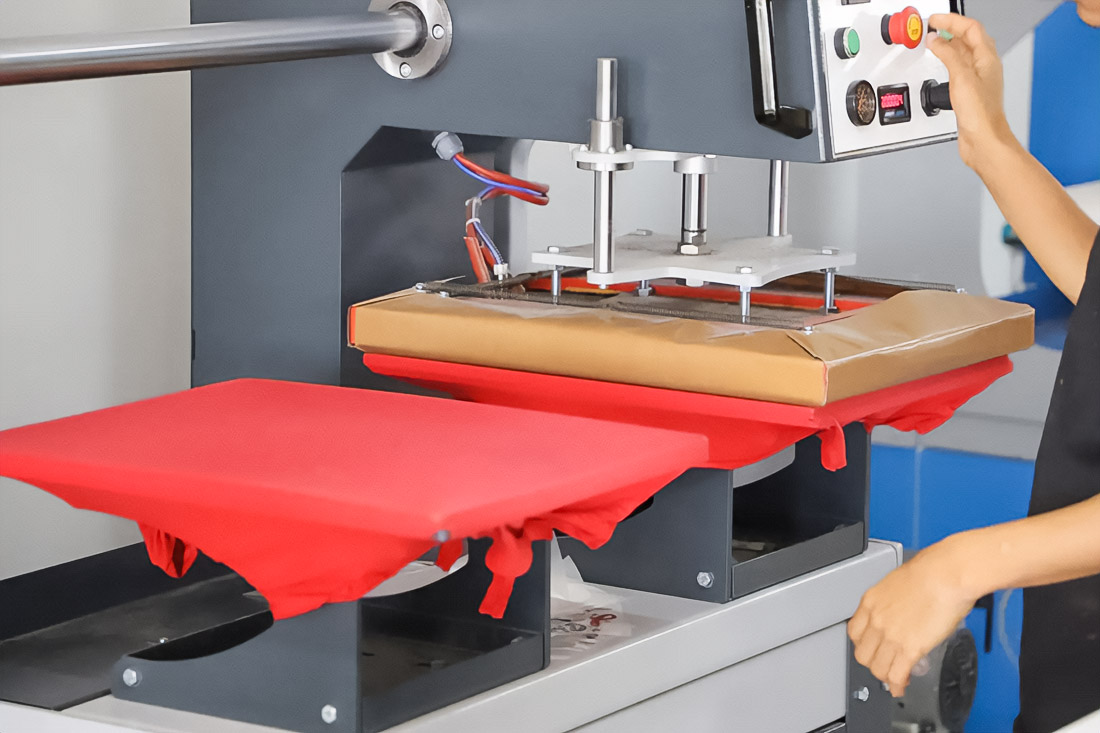
Nostalgia remains a prominent trend, but its use has become more relaxed and mature. The aesthetics of Y2K, the 90s, and vintage motifs are no longer copied directly. They are reinterpreted and adapted to modern t-shirt design.
This is reflected in retro graphics, slightly muted colors, faded prints, and vintage typography, which are increasingly applied using modern techniques such as direct to film printing that allow complex visuals to remain soft and wearable. Such elements do not look decorative for the sake of effect. They work for a sense of familiarity and visual comfort.
Typography plays an important role. Short phrases, simple statements, ironic or neutral texts become part of the graphic language. Often, the text is not placed in the center, but shifts, goes to the back, or stretches over the surface of the T-shirt. As a result, the inscription is perceived as a form, not as a slogan.
Fit, Comfort And Honest Materials
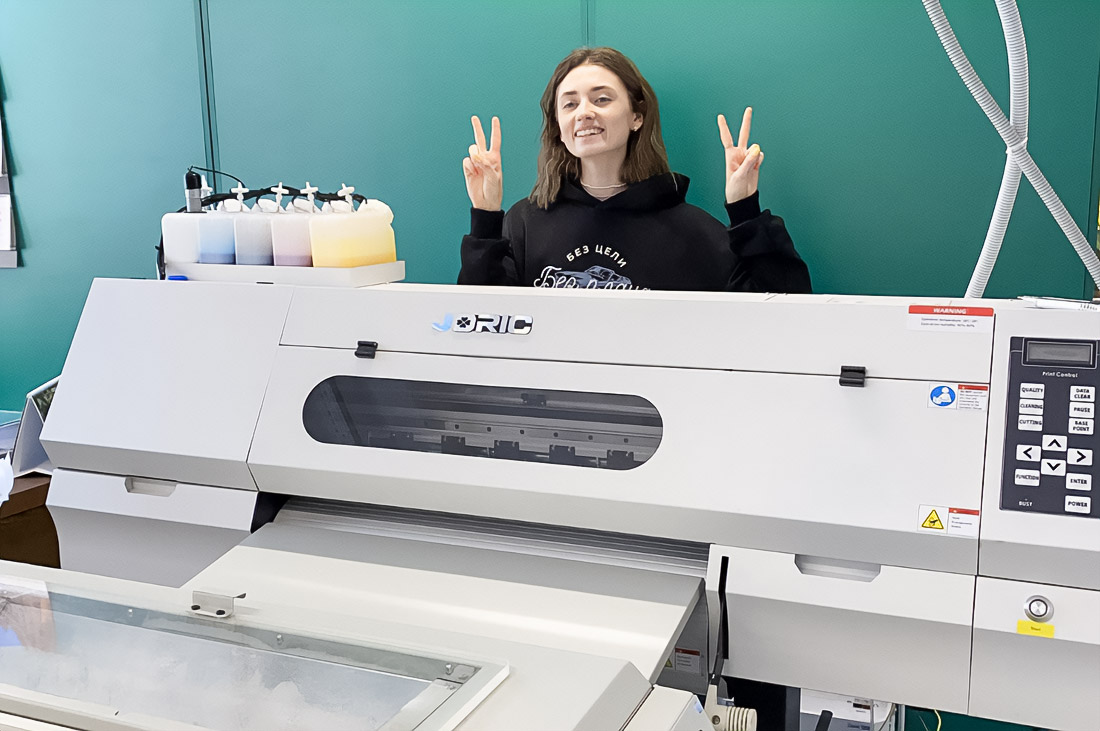
Comfort in 2026 is not discussed, it is implied. Oversized fit has been in demand for several years in a row, because it gives you freedom of movement and a feeling of relaxation. This fit works well in everyday life and does not require complex stylistic decisions.
At the same time, medium-fit and regular-fit t-shirts do not disappear anywhere. They remain relevant for those who prefer a more collected silhouette and versatility. Shape selection is becoming an important part of modern design.
The material directly affects the perception of a thing. For dense and high-quality models, cotton with a density of 250–350 gsm is used, which holds its shape well and creates a sense of reliability. For multilayer solutions, a fabric of about 300 gsm is used, which is able to maintain its appearance after repeated washes.
Organic cotton and breathable fabrics are chosen not only because of sustainability. They are appreciated for their softness, breathability and comfort during long-term wear. A T-shirt should be pleasant to the body, and not require habituation.
Minimalism, Texture And Visual Depth
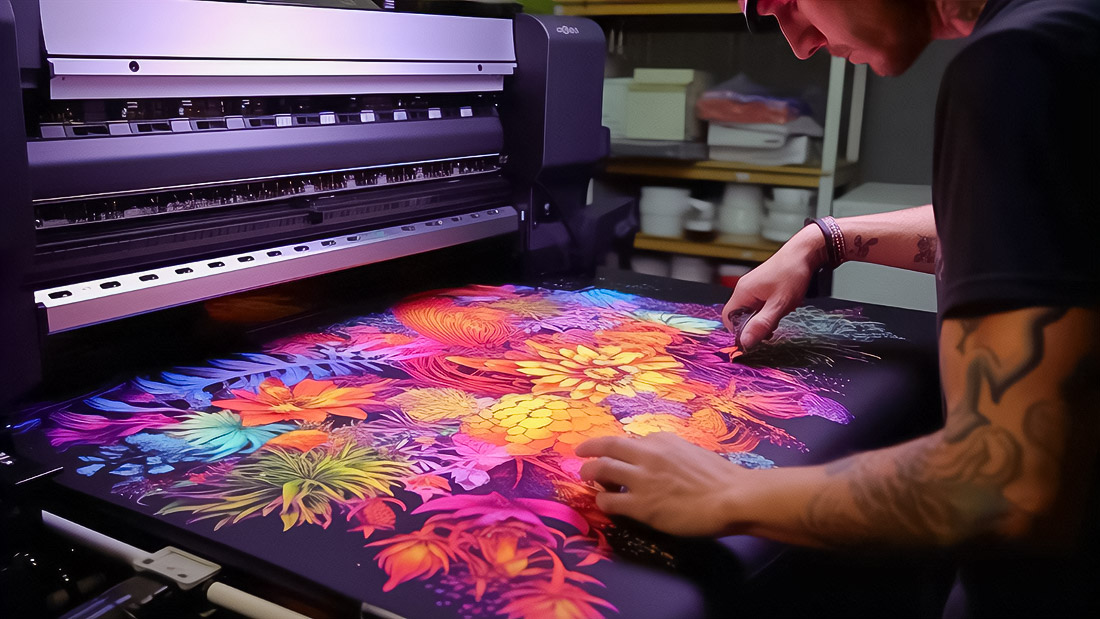
Minimalistic design remains a steady trend. Clean lines, a limited palette, and neat details make these T-shirts durable. They easily fit into the wardrobe and do not depend on seasonal fluctuations.
In parallel, more expressive techniques are used. All-over print, abstract geometry, animal motifs and nature-inspired design add character and personality. Such solutions often become the focus of the image, but they do not lose their wearability.
The texture takes on a special meaning. Patchwork, layered clothing effects and textured elements make the T-shirt visually and tactilely more interesting. Embroidery is perceived as a neat and durable way of decoration that emphasizes quality without unnecessary ostentation.
There is also a noticeable interest in hand-drawn illustrations and mixed media. These techniques add a sense of live work and make the thing more personal.

Kenneth Carpenter
View More PostsBasketball fan, nature enthusiast, music blogger. Working at the junction of aesthetics and purpose to craft experiences both online and in real life. I'm a designer and this is my work.